

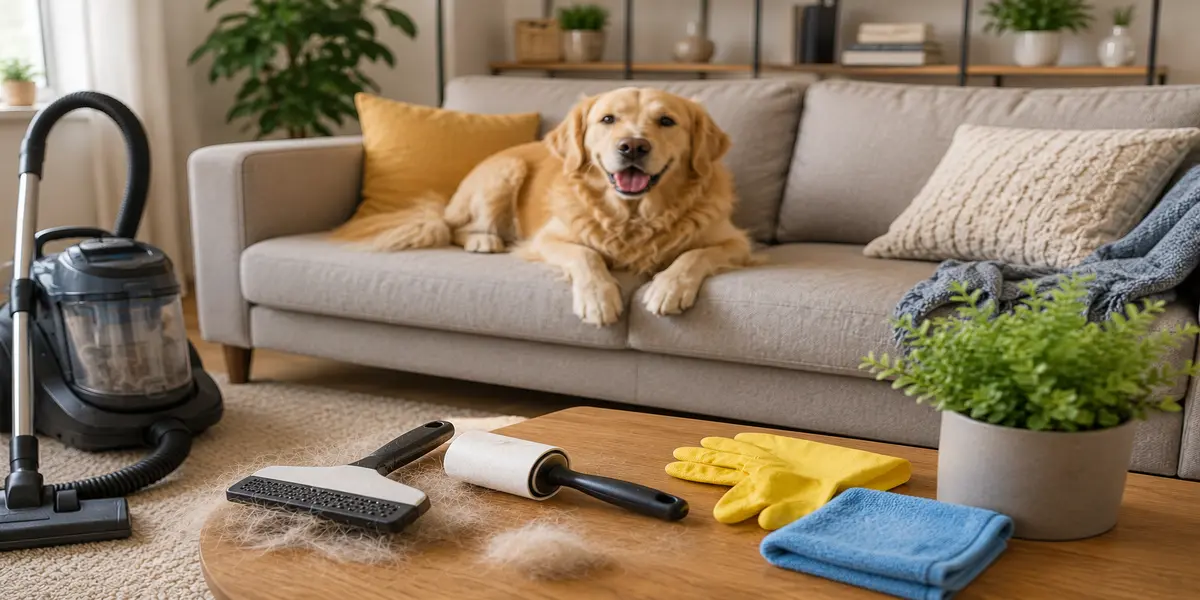
Is pet hair taking over your home again and again every single day? You spot it stuck to shirts, draped across couches, tucked behind shelves. The mess comes back fast, like effort barely matters. Households with pets face this round after round. Most days, it takes just a few quiet shifts to shift how things feel. Yes, tiny moves count, especially when done regularly. Fancy gear? Not required. A different move here, a steady hand there, slowly adds up. Picture smoother mornings, less fuzz on the couch, fewer surprises in corners. Try these straightforward tricks, built for real homes with pets roaming around.
1. Why Pet Hair Gets Everywhere
Pieces of fur float far since they weigh almost nothing. When air whooshes through vents or open panes, bits travel along unseen paths. What sticks isn’t always visible at first, that static pulls threads together silently. Fibers pull in loose hairs much like a sponge pulls in liquid. Eventually, regular cleaning fails to keep things under control. Spotting how pets shed gives a clearer shot at handling messes around the house. Once you see which corners trap fur, getting rid of it gets simpler. Less guesswork means fewer passes across floors and furniture. Clear thinking about clutter comes before any real progress happens.
2. Groom Your Pet Often
Besides tidying up, going over your pet with a brush reduces loose hair around the house. When combed often, shedding happens outside instead of on your couch. A grooming tool should match how thick or thin their fur is. A coat that’s short changes what an animal requires. Long fur brings separate needs entirely. Tackling this job beyond the doorway keeps stray bits off indoor surfaces. Water helps skin stay strong while washing away loose hairs. A rinse means fewer strands stuck to couches or carpets. This habit supports easier pet hair removal from home every day. Consistent grooming also keeps your pet comfortable. It is a simple step that brings long-term cleaning benefits.
3. Vacuum Smarter, Not Faster
Most pets shed less indoors if brushed often. Early removal happens when grooming stays regular. A proper brush depends on hair length; short hair needs one kind, long hair another. Outside sessions keep extra fur off the floors afterward. Healthy skin holds better once water washes away dead skin cells. Fur flies less when pets see a brush every so often. Begin where feet track in dirt; these zones collect grime quickest. Floors gather particles fast, so running the machine keeps things under control. Many vacate cleaners also focus on these high-traffic spots first, using detailed vacuuming methods to lift hidden pet hair before it spreads further. With every round, loose bits stay contained instead of drifting into corners.
4. Use Rubber Gloves for Quick Cleaning
Start by slipping on rubber gloves; they work well against stubborn pet hair. Run your hands across furniture such as couches or seat pads. Hair begins collecting into obvious bunches almost right away. Try wetting the gloves just a little, they make things better without extra effort. Corners hold dust better when you try this. A few less minutes spent scrubbing shows what a wallet-smart pick can do. Many go for things already around the house rather than new tools. Without high-end stuff close by, success still happens. Results surprise even those who doubt. Quick cleanup sessions feel less like work thanks to their speed.
5. Try a Damp Cloth or Sponge
Start by using a slightly wet cloth to lift pet hair off flat spots. Moving slowly works better on tabletops, ledges, or couch arms. When you touch it, water stops loose strands from flying off. Eventually, grime builds up in the material, so rinse it every few weeks. Flat spots love this trick, especially wood floors. Quick cleanup fits right into daily routines. Try it alongside your usual ways of removing pet hair. Neat homes stay that way without much doing. Small moves, big difference in how things look.
6. Lint Rollers for Daily Use
Pet hair remover removes fast when you roll a lint brush over fabric. Near the closet or front door works fine for storage. Try rolling things each morning before stepping outside. Looking neat takes just moments with this tool nearby. Lint rolls might seem tiny, yet they pack a serious punch. Much like a go-to gadget for grabbing fur in a flash, they stick around when mess shows up. Once the sheet feels smooth instead of grabby, time to swap it out. Slips right into a bag, ready whenever needed. Tossing one into your usual cleanup flow just makes sense.
7. Selecting Suitable Furniture Materials
Furniture material shapes the way pet hair sticks around. Leather, being slick, lets you wipe things fast. Instead of soft cloth, pick something tighter-woven, with less room for fur to hide. Bumpy textures hold on hard, making messes linger longer. Picking the right couch means less time wiping fur off surfaces. Because of that, floors stay clear longer between cleanups. A slightly different fabric choice shifts how often you vacuum. Over time, these picks add up to fewer messes piling up around rooms. Cleaner corners happen without extra work when materials behave.
8. Wash Fabrics and Bedding Often
Lots of pet fur ends up on sheets, throws, and couch cloths without warning. A steady laundry cycle keeps it from piling too high. Toss items in the dryer before wash day to shake loose what’s stuck. Running a check on the washer’s filter makes each rinse more effective. Clean sheets slow down how fast fur moves around the house. Because of this, sitting feels better and looks neater too. When you swap them often, less hair sticks to furniture or floors. Each wash cycle resets how things feel underfoot. Over time, doing laundry like clockwork keeps rooms clearer. Pets leave fewer traces when fabrics are handled this way.
9. Reduce Static for Better Cleaning
Most times, static cling holds pet hair tightly on furniture or clothes. To fight that grip, try an anti-static mist now and then. A few sprays on the spot just ahead of wiping works well. Hair lifts off faster when you do it first. Try mixing water with a bit of fabric softener. This trick cleans just a little better each time you wipe down surfaces. Because it cuts static, pet hair lifts away more quickly when dusting. Less cling means less struggle every day. The result? Surfaces stay clearer longer.
10. Baking Soda Cleans Carpets Deeply
Buried deep under the rug, fur from pets packs down slowly. Try scattering baking soda all over, keep it spread thin. Wait several minutes while it works into the strands. As you go to vacuum, notice how much easier the hair lifts away. Most odours vanish once you begin. Glide the vacuum slowly over the area, lifting all loose particles. Since it works well with wax or trim tools, fitting neatly into what you already do. Over time, dust levels drop, leaving fibers cleaner beneath your feet. Sticking with it means plush textures stay longer between cleanings. Though basic, this approach digs deep without extra effort.
11. Clean Hidden Areas Too
Fur tends to gather where cleaning doesn’t reach too often. Along walls, near corners, or hanging on curtains – dust sticks around. A soft brush attachment helps shift it from fabric. Try wiping down spots above eye level once in a while. Behind sofas, along baseboards, even up near ceilings, give them attention. Hidden corners matter when cleaning inside houses. Yet dust stuck there affects how fresh the air feels.
Most overlook places behind furniture or under rugs. In homes needing extra attention, learning how to restore a neglected house with deep cleaning can make hidden spaces easier to manage. But tackling those zones cuts down on floating pet hairs, too. Every full cleanup really needs both obvious spots and the ones out of sight.
12. Use Microfiber Cloths
Start wiping with a microfiber cloth – it grabs pet hair fast. These perform stronger than standard rags when tackling dusted areas. Try one across couches, ledges, or screens you touch daily. After every round, toss it into the wash so it keeps pulling dirt well. Worth using again and again, these clothes cut down costs over time. Because they grab pet hair fast, homes stay cleaner with less work. Cleaning is less tiring when microfiber does the work. A minor adjustment like that belongs in the routine household tasks. Results get better even when the tool stays basic.
13. Create a Simple Cleaning Routine
Most days, a little attention keeps things under control. The spot near the door gets messy fast, hit it often. Over weeks, skipping turns tiny messes into big ones. Instead of waiting, touch up one spot every morning. Miss those corners? They pile up without warning. Every day, things stay under control when you keep up with small efforts. Not waiting until everything piles up works better than big cleanups now and then. Doing the same steps regularly helps get rid of the fur pets leave behind.
14. Set Designated Pet Areas
Start by setting aside spots just for your pet – this keeps fur from drifting everywhere. Those zones? Outfit them with mats and covers that can go straight into the washer. Tackle cleaning there ahead of other parts of the house. Over time, less hair sneaks into far-off rooms. Most days, it cuts down the time spent wiping things up. Because pets stay in certain spots, their fur stays out of other rooms. That means less mess where you eat or relax. With just a few changes, chores feel more doable. Taking charge of cleanup becomes something you can actually keep up with.
15. Use Air Purifiers for Cleaner Air
Most folks notice less fuzz floating around when an air cleaner runs regularly. Indoor breathing gets easier after just a few days of steady use. A unit built with layered filtering works far better than basic models. Near the living room couch or bedroom corner makes a sensible spot for steady operation. Hidden away, most stray hairs get caught inside the filter. Thanks to this, people with allergies tend to find relief while living alongside animals. Over time, keeping order takes smaller bits of your energy. A bit later, chores begin feeling lighter on their own. Step by step, the load gets thinner without pushing hard. Eventually, staying neat asks almost nothing at all.
Final Thoughts
Most days, pet hair seems like too much – but small routines turn things around. Skip the fancy gadgets or pricey fixes; they are rarely required. What matters most grows slowly through steady work. Pair a few of these tricks together to see shifts. Start by wiping things down each day using clever tricks. Because it works better, getting fur off surfaces becomes easier. A relaxed house feels good even when animals live there. Tiny actions add up slowly over time. Over weeks, cleanliness grows while pets wag their tails.